
#88 Six Years of Infertility and $100,000 in Fertility Treatments
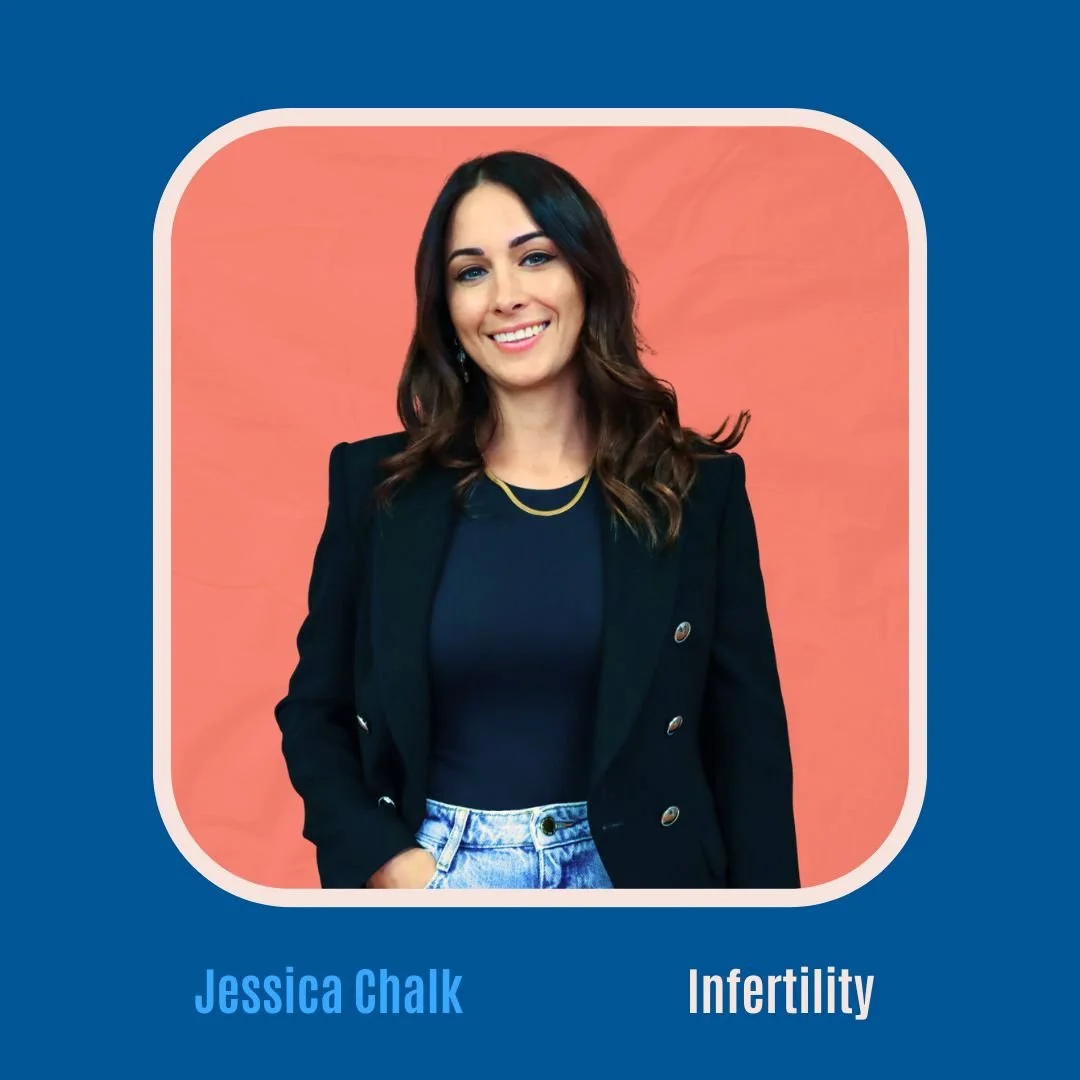
Infertility can affect nearly every part of a person’s life, from their emotional well-being and relationships to their finances, identity, and sense of control over the future.
After spending six years trying to conceive, navigating complex fertility treatments, and paying more than $100,000 out of pocket, Jessica Chalk understood firsthand how exhausting and isolating the fertility journey can become. Along with the physical demands of treatment, patients are often expected to coordinate appointments, track medical information, make complicated decisions, and advocate for themselves while coping with grief and uncertainty.
In this episode of It Happened To Me, Jessica joins hosts Beth Glassman and Cathy Gildenhorn for an honest conversation about the realities of infertility that are often hidden from view. She shares the emotional and financial weight of her experience, the impact it had on her identity and relationships, and what helped her continue through six difficult years.
Jessica also explains how feeling unsupported within the healthcare system ultimately inspired her to found myStoria and advocate for a more coordinated, compassionate approach to patient care.
In This Episode, We Discuss
The beginning of Jessica’s six-year journey to conceive
Realizing that becoming pregnant would be more complicated than expected
The isolation, grief, and uncertainty associated with infertility
What fertility treatments demand from patients physically and emotionally
Spending more than $100,000 out of pocket on treatment
How financial pressure intensified an already stressful experience
Feeling unseen and overwhelmed while navigating the healthcare system
The effects of infertility on identity, body image, and self-worth
How fertility struggles can affect partners, family members, and friendships
Hurtful comments and common misconceptions about infertility
Protecting your mental health during prolonged treatment
What helped Jessica continue during the most difficult moments
The support she wishes she had received earlier
What people who have not experienced infertility often misunderstand
The emotional turning point that inspired Jessica to create myStoria
How her experience changed her understanding of patient-centered care
Jessica’s message for anyone currently struggling to build a family
About Jessica Chalk
Jessica Chalk is the founder and CEO of myStoria, a patient-support platform created to help people organize medical information, prepare for appointments, coordinate care, and navigate complex reproductive health journeys.
Jessica’s work was inspired by her own six-year fertility journey, during which she experienced the emotional, financial, and logistical burden frequently placed on patients. She founded myStoria with the goal of ensuring that people facing complicated medical situations do not have to manage every aspect of their care alone.
Infertility Support and Educational Resources
myStoria: Patient navigation and organizational support for reproductive health and other complex medical journeys
RESOLVE: The National Infertility Association: Education, peer-led support groups, advocacy resources, and information for people experiencing infertility
ReproductiveFacts.org: Patient-friendly information from the American Society for Reproductive Medicine about infertility, reproductive health, testing, and treatment options
A Note for Our Listeners
Terminology update: During this episode, we use the term polycystic ovary syndrome (PCOS). Since the episode was recorded, the condition has been renamed polyendocrine metabolic ovarian syndrome (PMOS). The updated name is intended to better represent the condition’s wide-ranging hormonal, metabolic, and reproductive effects rather than suggesting that it is defined primarily by ovarian cysts.
Infertility can involve grief, pregnancy loss, financial hardship, medical trauma, and difficult decisions about family building. Please take care of yourself while engaging with this episode and seek support from a qualified healthcare or mental health professional when needed.
The experiences discussed in this episode reflect Jessica’s personal journey and are not intended as individualized medical advice. Treatment options, outcomes, costs, and insurance coverage vary considerably. Speak with your healthcare team about questions related to your own fertility or reproductive health.
Connect With It Happened To Me Podcast
Stay tuned for the next episode of It Happened To Me. In the meantime, explore our previous episodes on Spotify, Apple Podcasts, YouTube, ItHappenedToMe.com, or your favorite podcast platform by searching for It Happened To Me.
It Happened To Me is created and hosted by Cathy Gildenhorn and Beth Glassman. Kira Dineen of Gene Pool Media serves as Executive Producer.
For questions, guest suggestions, or other inquiries, contact us at ItHappenedToMePod@gmail.com.
